
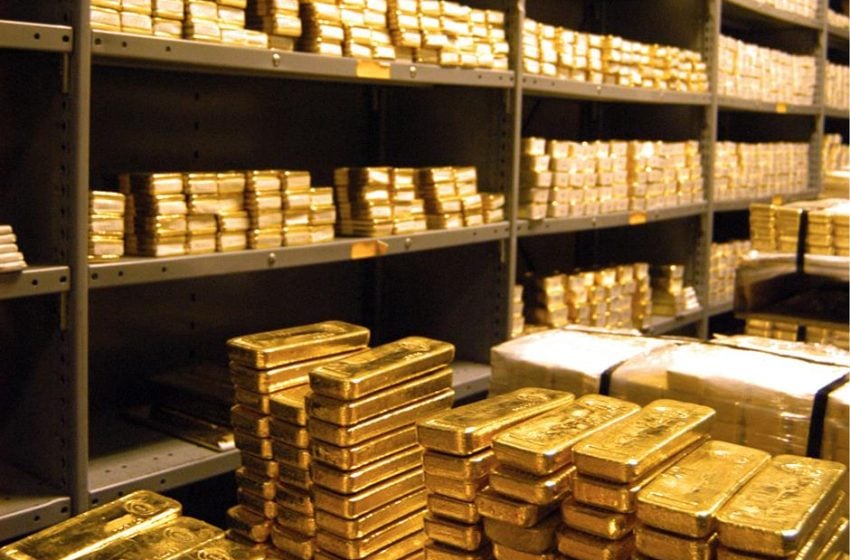
When you think of immense wealth and strategic economic power in the Middle East, your mind likely turns to oil. However, another ancient and glittering asset forms a critical part of the region’s financial fortitude: gold. For centuries, gold has been a universal symbol of wealth and a bedrock of monetary security, and this is especially true for the nations bridging East and West.
This article delves into the top 8 holders of the biggest gold reserve in the Middle East. We will explore not just the sheer volume of ounces held but also the strategic reasons behind these holdings, from hedging against geopolitical uncertainty to diversifying away from hydrocarbon-dependent economies. Understanding these reserves offers a unique window into the economic strategies and future ambitions of these powerful nations.
Our analysis is based on the most recent data, providing you with an authoritative and data-driven ranking. We will uncover which central banks are accumulating gold at a rapid pace and what this tells us about the shifting global economic landscape.
Saudi Arabia
Saudi Arabia commands the largest gold reserve in the Middle East. The Saudi Central Bank (SAMA) holds a formidable stockpile of this precious metal, a key component of its vast foreign exchange reserves. This significant holding underscores the kingdom’s strategy of diversifying its assets beyond its dominant oil exports.
The value of Saudi Arabia’s gold reserves represents a crucial pillar of its national wealth. It acts as a long-term store of value and a hedge against inflation and global currency fluctuations. This is a prudent move for an economy so intrinsically linked to the volatile energy markets.
Recent years have shown that SAMA is not just maintaining but strategically growing its position in gold. This aligns with the broader Vision 2030 initiative, which aims to build a resilient and diversified economy. The gold reserve is a testament to this forward-thinking financial planning.
Holding physical gold bolsters confidence in the nation’s economic stability. It provides a tangible asset that supports the Riyal and ensures the kingdom’s financial security for future generations, solidifying its position as an economic powerhouse in the region.
Key Notes:
- Holds the largest official gold reserve in the Middle East.
- A core part of the nation’s strategic foreign asset diversification.
- Managed by the Saudi Central Bank (SAMA).
Tip: For investors tracking regional trends, the stability of SAMA’s gold policy often signals broader economic confidence.
Turkey
Turkey’s position is unique, as it straddles both Europe and the Middle East geographically and economically. The Central Bank of the Republic of Türkiye (CBRT) has been one of the world’s most aggressive buyers of gold in recent years. This massive acquisition campaign has propelled its reserves to a top global ranking.
The Turkish public also has a deep cultural affinity for physical gold, often purchasing it in the form of jewellery and coins as a savings mechanism. This robust domestic demand complements the central bank’s official policy of bolstering its national reserves as a safeguard against economic uncertainty.
This strategy of increasing gold reserves serves multiple purposes. It helps reduce the country’s dependence on the US dollar, supports the value of the Turkish Lira, and provides a reliable asset during periods of high inflation. The CBRT’s actions are closely watched by global market analysts.
The consistent and significant growth in Turkey’s gold holdings highlights a deliberate shift towards asset security. It demonstrates a preference for a non-yielding but ultimately secure asset in times of global financial volatility.
Key Notes:
- One of the world’s most prolific central bank gold buyers in recent years.
- Gold buying is driven by both official policy and strong retail demand.
- Used as a strategic tool to reduce dollar dependency and bolster the national currency.
Tip: Keep an eye on the CBRT’s monthly reserve reports, as they are a key indicator of global central bank sentiment towards gold.
Lebanon
Despite its well-documented economic challenges, Lebanon maintains a surprisingly substantial gold reserve. These holdings are a legacy of a more prosperous past and are now considered a critical national asset. The gold is held offshore, primarily with the Federal Reserve Bank of New York, which keeps it secure from domestic instability.
The Lebanese gold reserve acts as a final backstop for the nation’s finances. It provides a bedrock of value that supports the country’s credibility in the face of a collapsed currency and banking crisis. This hoard is often seen as untouchable, reserved for the most severe national emergencies.
The value of this gold has increased significantly over time, providing a small glimmer of financial stability. It represents a store of national wealth that exists independently of the troubled domestic banking sector and political turmoil.
For the Lebanese people, the knowledge that the state holds this gold offers a psychological anchor. It is a tangible link to a more stable era and a potential resource for future economic recovery, making it a cornerstone of what remains of the nation’s financial sovereignty.
Key Notes:
- A historically significant reserve held almost entirely outside the country.
- Considered a vital emergency asset amidst a profound economic crisis.
- Its value has appreciated, providing a crucial financial buffer.
Tip: Lebanon’s situation shows how gold reserves can serve as an ultimate financial safety net during a sovereign debt or currency crisis.
Algeria
Algeria possesses one of the largest gold reserves in both Africa and the Middle East. The Bank of Algeria has quietly accumulated a significant amount of gold over the years as part of a conservative and prudent strategy for managing its foreign exchange reserves, which are largely derived from energy exports.
This policy of holding physical gold is rooted in a desire for financial security and diversification. By converting a portion of its foreign currency earnings into gold, Algeria insulates its national wealth from the risks associated with fiat currencies, such as inflation or devaluation.
The Algerian government views its gold bullion as a safe-haven asset that preserves capital over the long term. Unlike bonds or bank deposits, it carries no counterparty risk, meaning its value is not dependent on another institution’s promise to pay.
This strategic allocation to gold enhances the overall stability of Algeria’s national balance sheet. It is a silent guardian of the country’s wealth, ensuring that future generations will benefit from the nation’s natural resource revenues.
Key Notes:
- Maintains a substantial and strategically important gold reserve.
- Part of a conservative investment approach to safeguard hydrocarbon wealth.
- Focuses on long-term capital preservation and risk diversification.
Tip: For long-term wealth preservation, Algeria’s model of converting resource revenue into permanent assets like gold is a classic strategy.
Iraq
Iraq’s central bank has been actively rebuilding and increasing its gold reserves over the past decade. This is a key part of a broader policy to strengthen the Iraqi Dinar and stabilize the national economy after years of conflict. The holdings represent a growing commitment to asset security.
The process of acquiring gold is a deliberate effort to diversify Iraq’s foreign assets away from purely cash-based reserves. This move helps protect the country’s wealth from global financial shocks and currency devaluations, providing a more stable foundation for economic growth.
Despite facing immense political and security challenges, the Central Bank of Iraq has prioritised this accumulation. It signals to international markets a serious commitment to sound monetary policy and financial responsibility, which is crucial for attracting foreign investment.
The growing gold reserve provides a layer of security for the Iraqi people. It backs the currency and serves as a universally recognised asset that can be leveraged in times of need, contributing to national economic resilience.
Key Notes:
- Has been a consistent and significant buyer of gold in recent years.
- Gold accumulation is a core part of monetary stability and dinar strengthening efforts.
- Reflects a strategic shift towards more secure and diversified national assets.
Tip: Tracking central bank purchases from nations like Iraq can provide early signals of a broader shift towards gold in emerging markets.
Egypt
Egypt has notably stepped up its efforts to grow its gold reserves. The Central Bank of Egypt (CBE) has been purchasing gold in a bid to diversify its foreign reserve portfolio and enhance economic security. This is a strategic move for a nation navigating complex economic reforms.
This policy aligns with a global trend among emerging markets seeking to reduce their exposure to the US dollar. By increasing its gold holdings, Egypt is building a more resilient financial buffer that can better withstand external economic pressures and currency risks.
Furthermore, Egypt is also a significant gold producer, with ancient mines in the Eastern Desert being revitalised by modern companies. This domestic production potential could, in the future, provide a direct source for increasing national reserves, reducing the need for international purchases.
The expansion of Egypt’s gold reserve is a clear indicator of its central bank’s long-term outlook. It prioritises tangible security over temporary yield, choosing an asset that has maintained its value for millennia.
Key Notes:
- An active recent participant in the central bank gold buying trend.
- Aims to diversify foreign assets and decrease reliance on dollar-denominated securities.
- Benefits from potential domestic gold production from its mining industry.
Tip: Egypt’s dual role as a potential buyer and producer makes its gold market a fascinating case study for commodity economists.
Kuwait
Kuwait, with its immense sovereign wealth fund, maintains a solid and significant gold reserve as part of its broader asset allocation strategy. The Kuwait Investment Authority (KIA) manages one of the world’s oldest and largest sovereign wealth funds, and gold plays a role in its diversified portfolio.
Holding gold provides the KIA with a non-correlated asset, meaning its value often moves independently of stocks and bonds. This helps to reduce overall portfolio risk and protect the nation’s wealth during times of market turmoil or geopolitical tension in the region.
The value of Kuwait’s gold holdings contributes to the country’s formidable financial firepower. It represents a timeless, liquid asset that can be deployed if necessary, further insulating the nation’s economy from oil price volatility.
This approach to wealth management is characteristically prudent and long-term. By allocating a portion of its assets to physical gold, Kuwait ensures that its future generations are protected by a balanced and secure store of national wealth.
Key Notes:
- Gold is held as a strategic diversifier within its vast sovereign wealth fund.
- Acts as a risk mitigation tool against market volatility and geopolitical events.
- Complements the nation’s other extensive foreign financial investments.
Tip: For large portfolios, even a small percentage allocation to gold can significantly enhance diversification and reduce overall volatility.
Qatar
Qatar holds a notable position on the list of Middle Eastern gold reserves. The Qatar Central Bank (QCB) manages these holdings as a key component of the state’s extensive investment portfolio. This is part of a sophisticated strategy to preserve the nation’s wealth derived from its natural gas exports.
Like its regional neighbours, Qatar recognises the importance of diversifying its assets. Gold provides a secure, physical anchor amidst a portfolio that includes global equities, real estate, and other financial instruments. It is the ultimate hedge against systemic financial risk.
The stability and universal acceptability of gold make it an ideal reserve asset for a globally engaged economy like Qatar’s. It reinforces the country’s financial credibility and provides a safe store of value that is not tied to any single government’s policies.
As Qatar continues to grow its influence on the world stage, its gold reserve will remain a foundational element of its economic security. It is a silent partner in the nation’s ambitious development and investment goals. For those tracking the value of such assets, staying informed on current gold rates in Qatar is essential for a complete market picture.
Key Notes:
- Maintains a strategically significant and valuable gold reserve.
- Integrated into a broader, well-diversified sovereign investment strategy.
- Serves as a financial stabiliser and long-term wealth preservation tool.